
Rainforest to Alpine Desert
Experience the mountain's changing vegetation, from dense forest to exposed, high-altitude terrain.
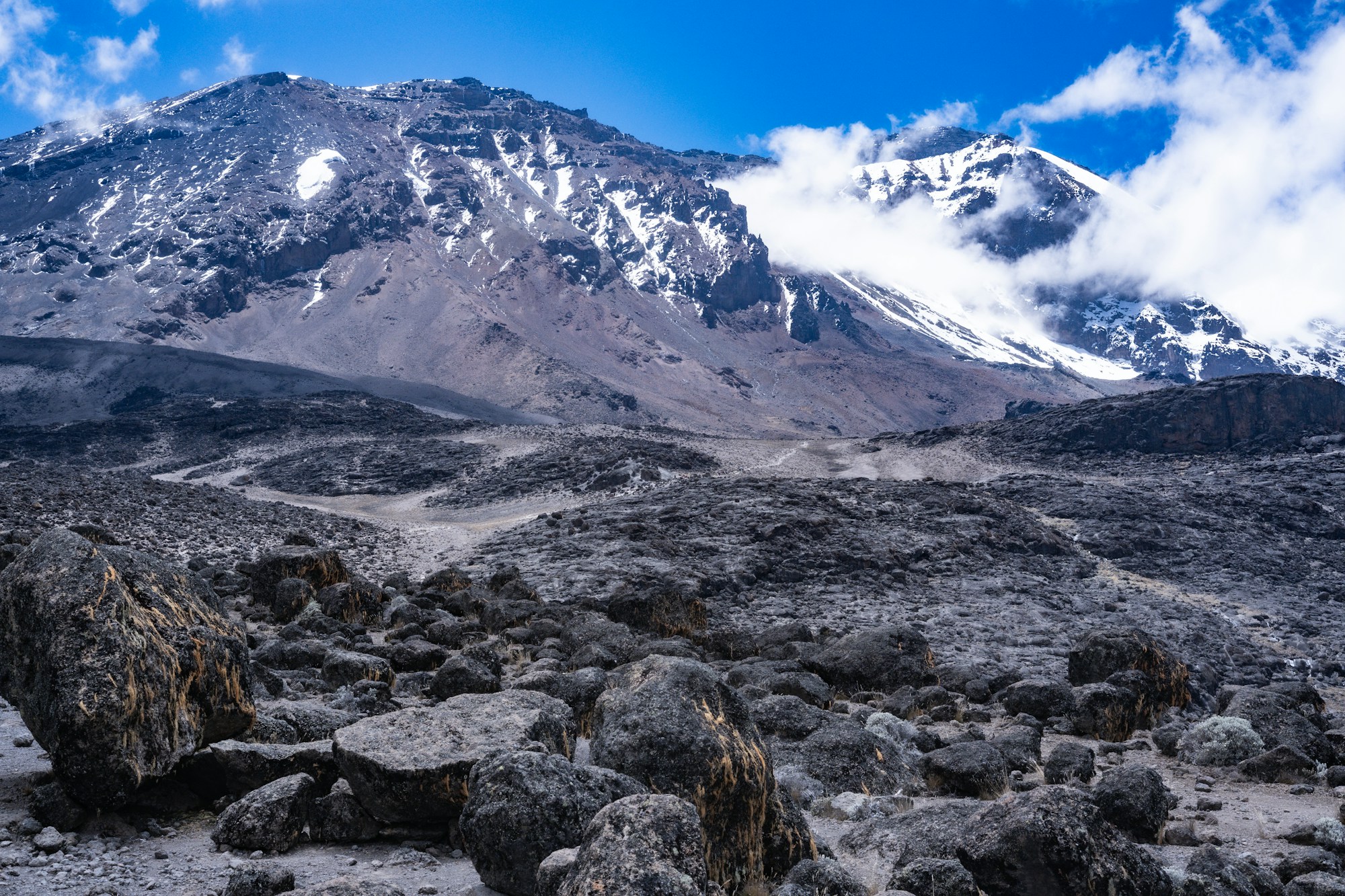
Journey through rainforest, open moorland and dramatic alpine landscapes on one of Kilimanjaro's most scenic approaches to the summit.
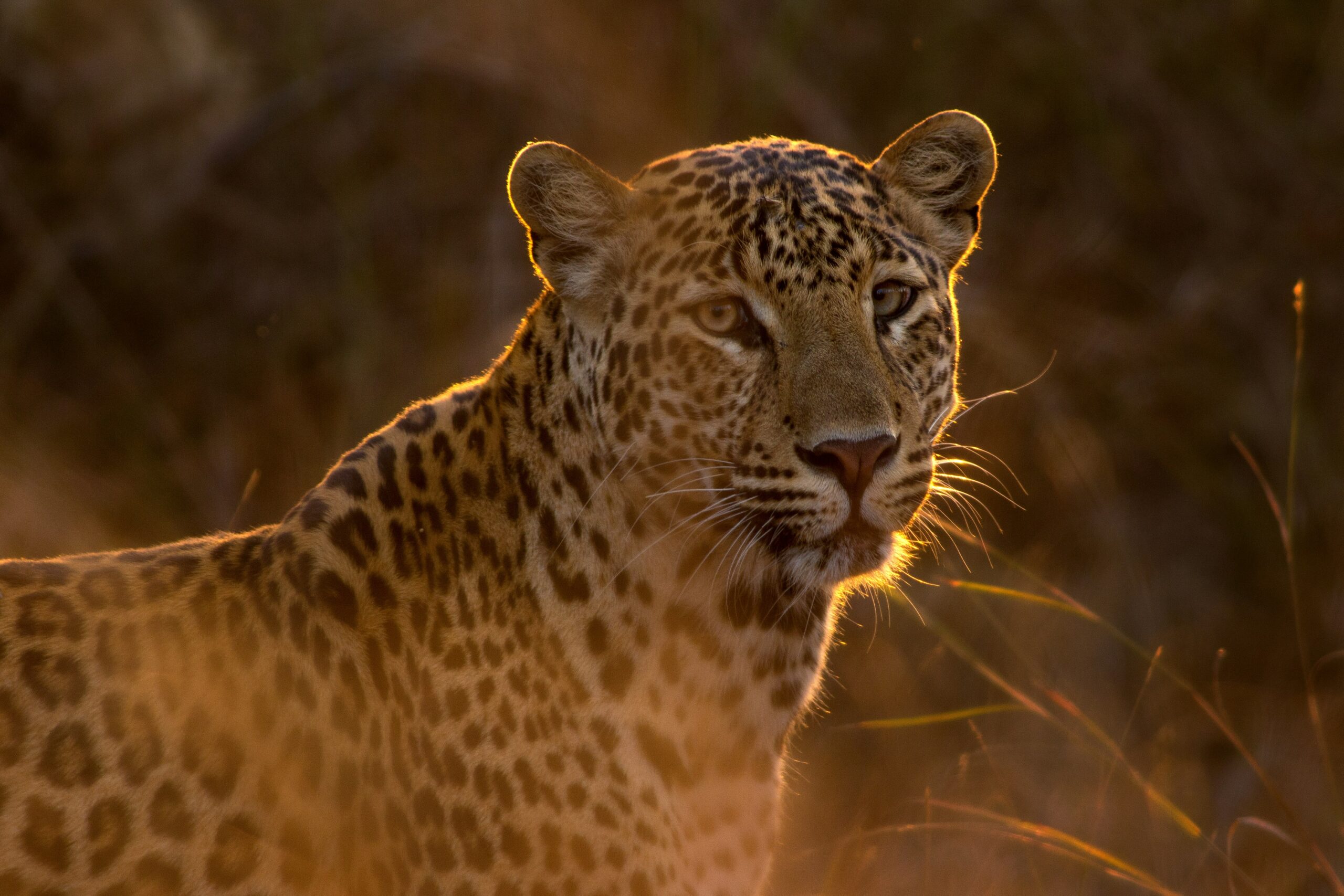
The Machame Route approaches Mount Kilimanjaro from the south-west, taking climbers through a remarkable sequence of landscapes before reaching the mountain's highest point.
Over seven days, the journey moves from lush rainforest to heath, moorland and alpine desert. The ascent includes the Barranco Wall, high mountain camps and a demanding summit attempt before the descent through Mweka.
Smiling African Travel can help organise your climb, discuss your preferred dates and tailor the arrangements to your group and travel plans.
Experience the mountain's changing vegetation, from dense forest to exposed, high-altitude terrain.
Tackle one of the route's most distinctive sections, with dramatic mountain scenery along the way.
Make the summit attempt at Africa's highest point with your mountain guides, weather and conditions permitting.
Follow the route from the mountain's rainforest to the summit and down through Mweka. Open any day below to see the route, walking overview and overnight camp.
After registration at Machame Gate, meet the mountain team and begin trekking into Kilimanjaro's lush rainforest. The trail follows a forest path through thick vegetation, with opportunities to notice the mountain's unique plant life.
Continue gradually toward Machame Camp, where the team prepares camp for the first night on the mountain.
Overnight: Machame Camp.
Leave the rainforest behind and ascend through heath and moorland. The vegetation becomes lower as the trail climbs toward the Shira Plateau.
As the weather allows, views open across the surrounding landscape and toward the mountain's upper slopes. Continue to Shira Camp for the evening.
Overnight: Shira Camp.
Cross the high-altitude landscape toward the Lava Tower area. This is an important stage of the climb, with a higher point during the day before descending toward Barranco Camp.
The approach supports the principle of climbing high and sleeping lower, although individual acclimatisation varies. Follow your guide's instructions, drink water regularly and report any symptoms of altitude sickness.
Overnight: Barranco Camp.
Begin the day with the ascent of the Barranco Wall. The route uses hands in some places for balance, under the direction of your mountain guide.
Continue along the trail with its changing ridges and valleys before reaching Karanga Camp. Take time to rest, hydrate and prepare for the higher camps.
Overnight: Karanga Camp.
Continue through the alpine desert toward Barafu Camp, the base for the summit attempt. Vegetation becomes sparse and the terrain increasingly rocky.
After reaching camp, rest and prepare your summit equipment with the guidance of your team. The summit attempt normally begins late at night or around midnight, depending on the team's plan and conditions.
Overnight: Barafu Camp, before the summit attempt.
Begin the demanding summit attempt toward Stella Point and continue to Uhuru Peak, the highest point on Mount Kilimanjaro, if conditions and your health allow. The ascent is slow and requires careful pacing.
After time at the summit, descend to Barafu and continue down toward Mweka Camp. The combined ascent and descent makes this a long and physically demanding day.
Overnight: Mweka Camp.
Enjoy the final descent through the forest to Mweka Gate. At the gate, complete the required exit procedures and celebrate the completion of your climb with your mountain team.
After leaving the park, continue with your pre-arranged transfer or onward travel plans.
After the climb: Transfer arrangements can be discussed when planning your trip.
The route moves through distinct ecological zones before the summit attempt and final descent.
Confirm the final inclusions, exclusions and price with Smiling African Travel before making a booking.
These lists are planning guidance, not a confirmed service contract. Your written quotation should state exactly what is included and excluded.
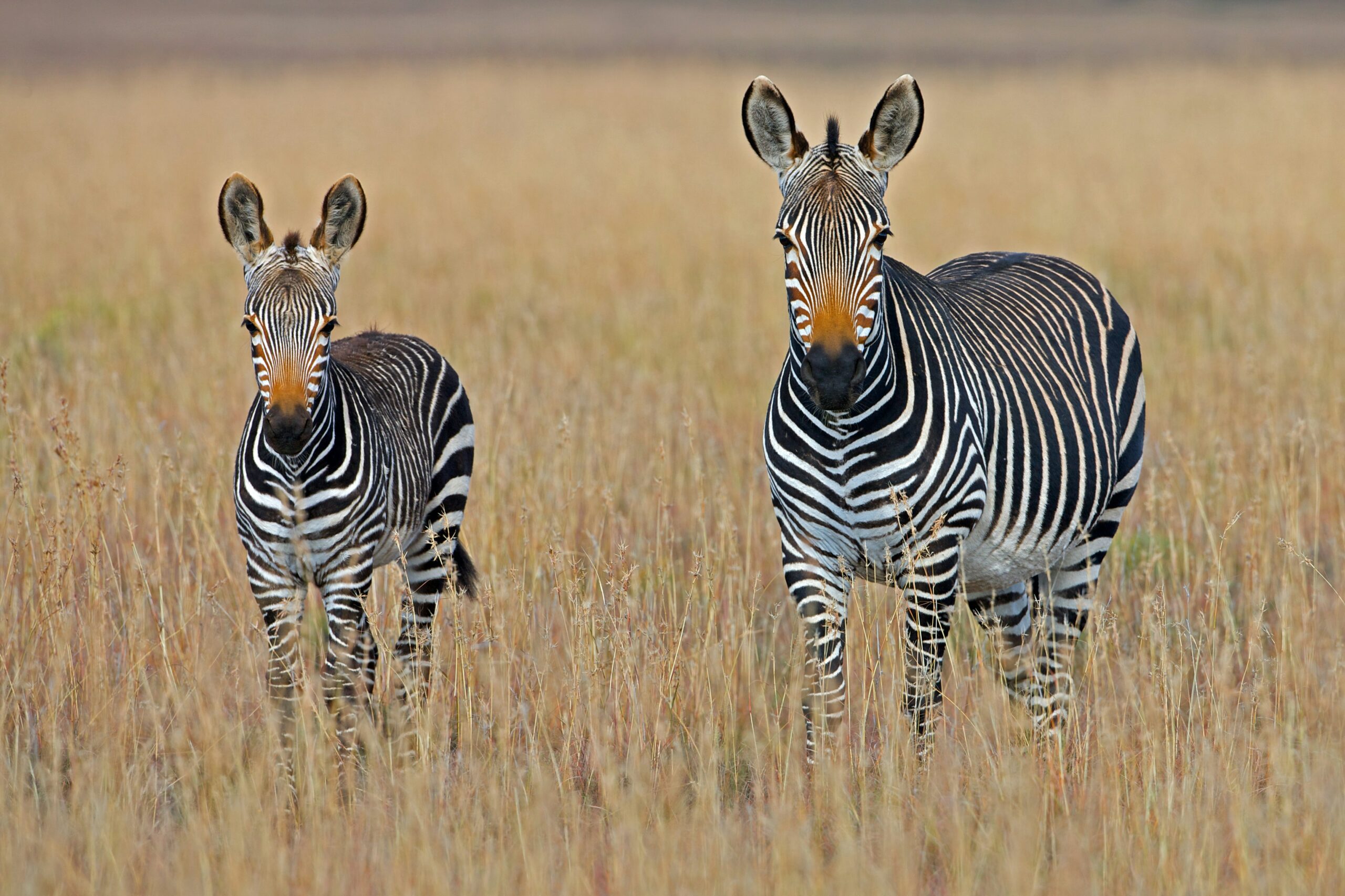
A Kilimanjaro climb takes preparation, teamwork and attention to detail. Smiling African Travel can help you plan the arrangements around your chosen dates, group size and wider Tanzania itinerary.
Discuss your travel dates and the arrangements your group requires.
Confirm the itinerary, quote, inclusions and logistics before you book.
Discuss how your Kilimanjaro climb can fit into your wider Tanzania visit.
Read these general notes and contact Smiling African Travel to confirm the details of your trip.
Ask Us a QuestionThe Machame Route is generally considered challenging. It involves several days of trekking at increasing altitude, uneven terrain and a demanding summit day. Fitness, preparation, acclimatisation and following your guide's advice are important.
No. Reaching the summit depends on health, altitude response, weather and mountain conditions. Your guides may recommend turning back if continuing would be unsafe.
You will generally need layered clothing for changing temperatures, suitable trekking footwear, rain protection, a warm sleeping arrangement as specified by your operator, a headlamp, sun protection and personal essentials. Request a detailed packing list before departure.
Conditions vary across the year. Your preferred dates, weather considerations and availability should be reviewed when planning the trip. Contact the team for advice about your intended travel period.
The price depends on group size, travel dates, inclusions, accommodation and transfers. Request a current quotation from Smiling African Travel to receive the correct price for your trip.
You can discuss combining your climb with a Tanzania safari or another part of your trip. The extra itinerary should allow time to recover after the climb and should be confirmed as part of your travel plan.
Tell Smiling African Travel when you hope to climb, how many people are travelling and what arrangements you need. The team can help you plan the next step.